-
Yas’s second life start! やすの第二の人生スタートします!
This month, September 11, is officially the day of my company’s retirement. For 42 years since I graduated from a U.S. university. I have worked hard in my own way to learn what I have learned so far overseas in Japan, no matter what happened to me here. I feel like there have been many things, such as job changes, human relations. From now on, I will express what I wanted to do as my life’s work on this blog, and I hope it will be of help to those who are still young. Enjoy.
今月9月11日は正式には、会社の定年退職の日。米国の大学を卒業して42年間、とにかく、日本で今まで海外で学んだことをこの地で何があろうとも自分なりに頑張ってきました。転職などあり人間関係のこと、仕事のこと、いろいろあった気がします。今後は、自分がやりたかったことをライフワークとしてこのブログに表現していきますので、まだ若い方々にご参考にしていただければと願います。楽しんでください。

Graduated 1982 from Chapman! -
Living in the Present and the Future Traditional Crafts
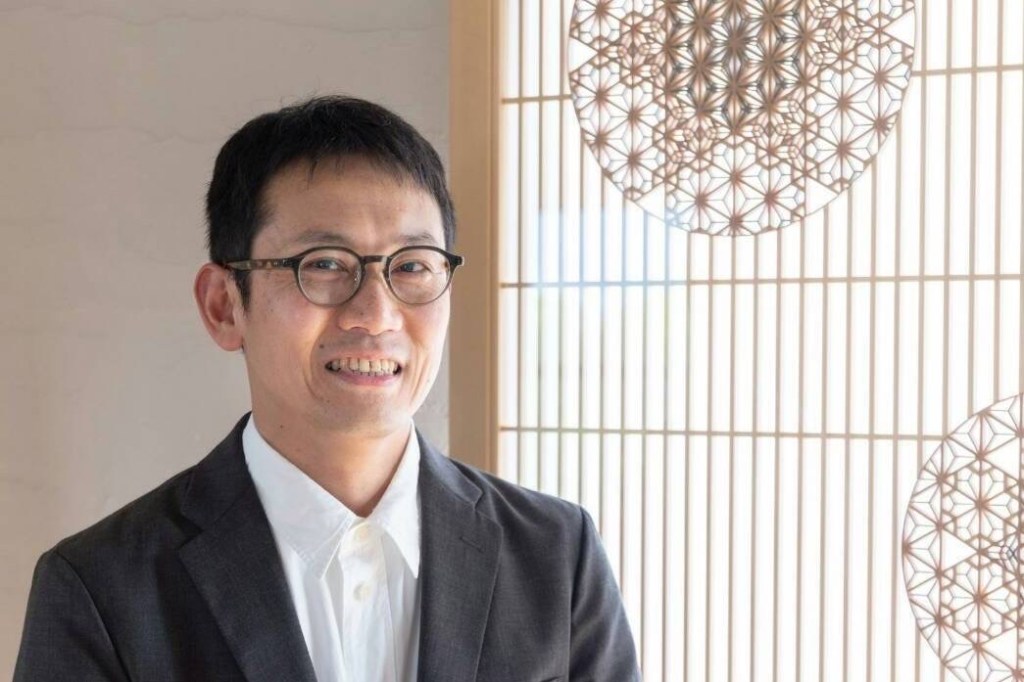
Yuji Kuroda, Kumiko Craftsman, Prepares to Take on the Next Generation
As the number of traditional Japanese houses continues to decline, there are fewer and fewer opportunities for our fixture craftsmen to demonstrate their skills. We came up with the idea of collaborating with young designers to develop fittings that would fit in with modern lifestyles. This collaboration led to the creation of a new technique called “Kakumaru-gumiko” (rounded corners), along with innovative products such as design sundries that overturn the traditional concept of Kumiko. Starting with this, we would like to create modern-design home fittings that combine the functionality and cosmetic qualities of the original kumiko and make use of natural materials appropriate to the Japanese climate. This is to keep the traditional craft alive in the modern age and in the future. I believe that this is the mission of our generation, the craftsmen who will live in the coming age. Tradition can only be achieved through repeated innovation. As craftsmen, we are determined to fulfill this destiny with our own hands.
-
Sashikan Kogei Craftman Mr. Yuiko Kuroda in Mie Prefecture Japan
-
革新的なアート・クラフトそしてその技術 Innovative Art Craft & Technology
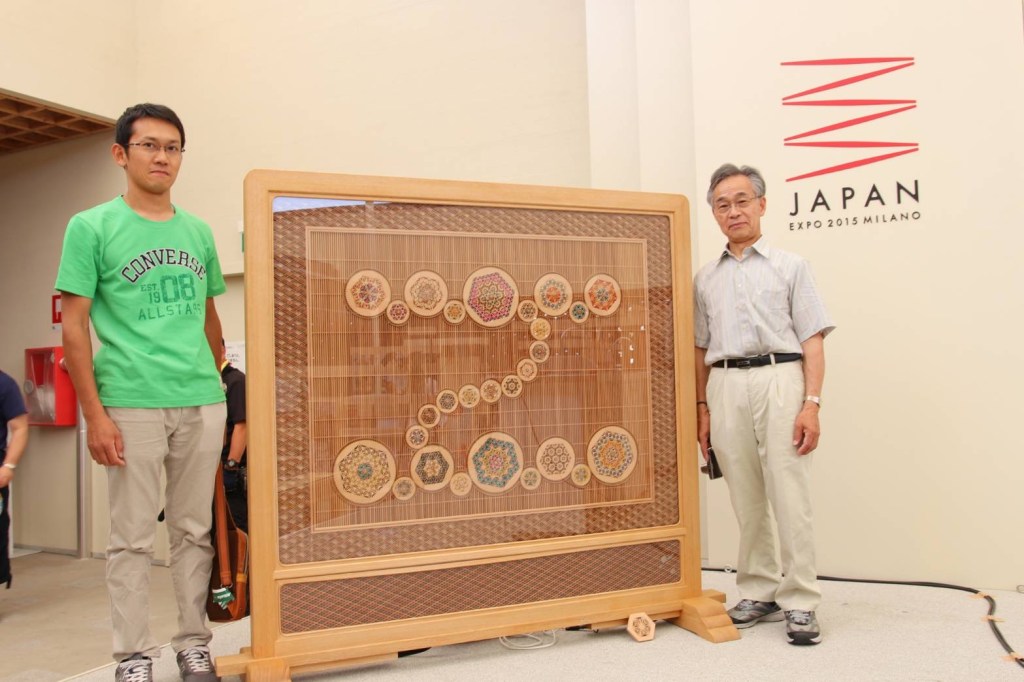
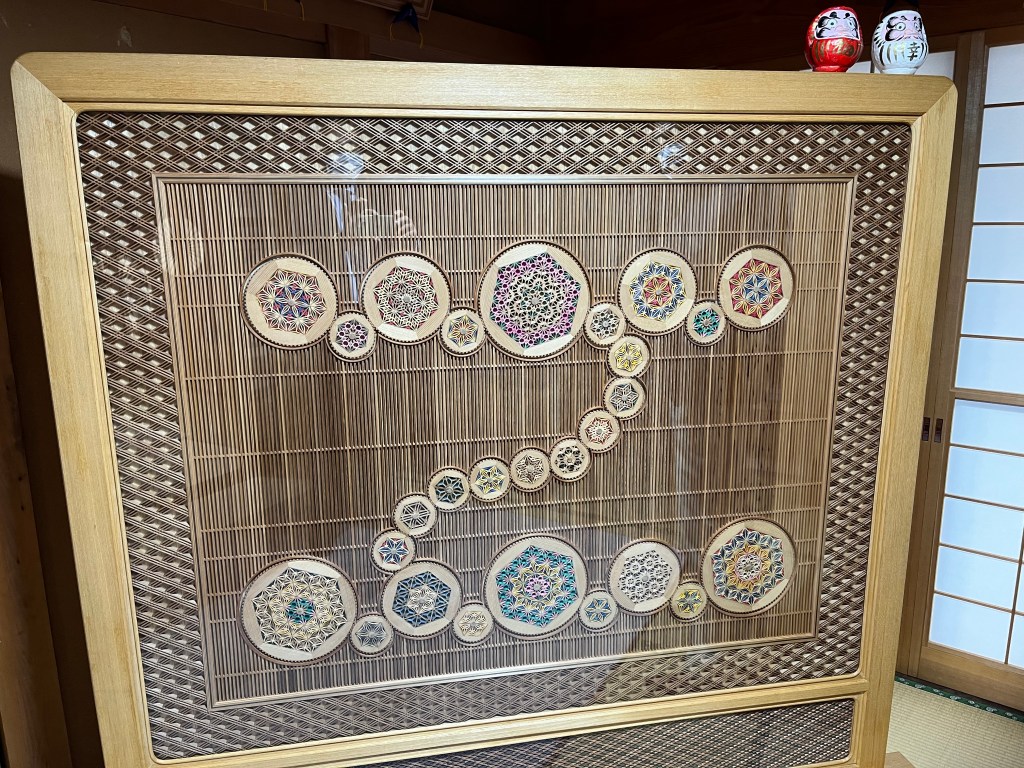
組子に動きを加え、斬新な什器を開発した職人黒田氏。 すでにミラノ万博が開催された時に発表された。三代目黒田氏は、新たな挑戦を続ける。
Craftsman Kuroda added movement to the kumiko and developed an innovative fixture. As already announced at Expo Milano, the new Mr. Kuroda will continue to take on new challenges.
-
Sashikan’s Kumiko World 指勘建具の世界
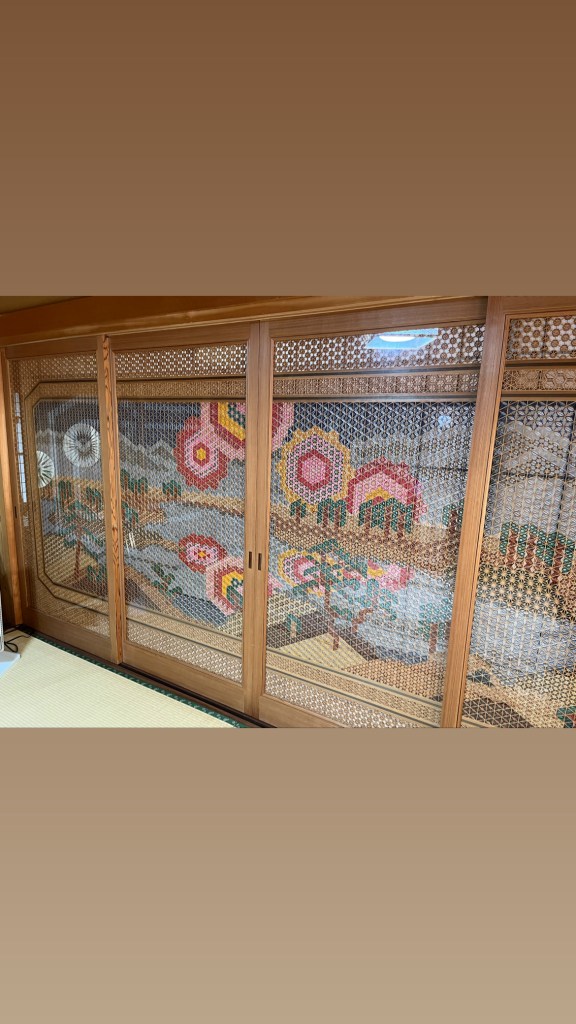
指勘建具工芸の得意分野は組子の建具です。伝統的な意匠だけでなく、独自のデザインを取り入れたデザイン建具が高い評価を得ています。指勘建具は、住宅、寺院、神社、料亭などで使用され、和の情緒とモダンが融合した空間を演出しています。
Our specialty is Kumiko fittings. Our design fittings, which are not only of traditional design, but also our own original design, have been highly evaluated. Sashikan fittings are used in homes, temples, shrines, and restaurants to create atmospheres where Japanese sentiment and modernity merge.
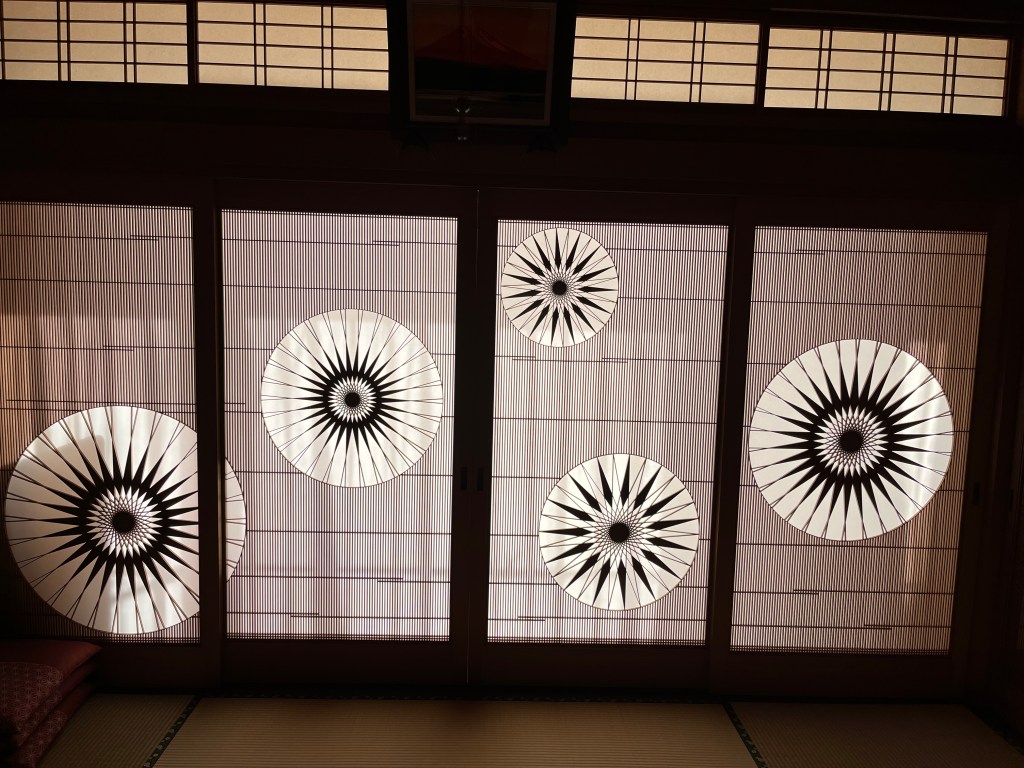
組子とは、小さな木片を組み合わせて繊細で多彩なデザインを生み出す技法である。組み合わされたデザインは万華鏡のように華やかで多面的な広がりを見せる。障子や欄間に施された組子は、外から差し込む光によって幻想的な陰影を生み、まったく違った雰囲気を醸し出す。
Kumiko is a technique of combining small pieces of wood to create delicate and varied designs. The combined designs are like a kaleidoscope, displaying a gorgeous and multifaceted expanse. Kumiko applied to shoji screens and transoms cast fantastic shadows depending on the light shining in from outside, creating a completely different atmosphere.
-
Traditional Art Craft of the Present and Future 伝統工芸の現在と未来
Traditional Japanese minting, or Kumiko, are crafted by joining pieces of wood together without the use of nails. It is one of Japan’s traditional crafting techniques, developed alongside Shoin-zukuri, a traditional Japanese architectural style, in the Muromachi era (1336-1557) the technique was used in making the wooden fittings of the windows, Shoji (paper sliding doors) ranma (transom), and so on. Cutting up a draft into 1.5mm wooden pieces, cuts and tenons are added to create wooden joint designs. Muntin created by the above method is what we call Kumiko. For some designs, over 100,000 pieces of wood can be used, ever single of them are over 100 design patterns, and beautiful and original Muntin are made by combining these patterns.
日本の伝統工芸である組子(くみこ)は、釘を使わずに木と木を接合して作られる。 日本の伝統工芸のひとつで、室町時代(1336~1557年)には書院造りとともに発達し、窓や障子、欄間などの木製建具に用いられた。 下絵を1.5mmの木片に切り分け、切り込みとほぞを入れ、木製の継ぎ手模様を作る。 このような方法で作られた文様が組子である。 デザインによっては10万個以上の木材を使用し、そのひとつひとつに100以上のデザインパターンがあり、それらを組み合わせることで美しいオリジナルの組子が出来上がる。
-
日本の伝統工芸 Traditional Arts from Japan
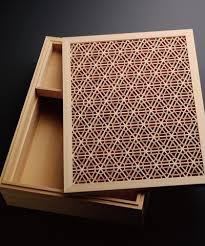
何回かご紹介させていただいている日本の伝統工芸は、三重県の菰野町にある指勘建具工芸。これかからはじめる本格的なライフワークとしてスタートしたいのは、まだまだ日本にある多くの素晴らしい伝統工芸を世界に発信し、各職人さんの知名度を高めると同時に本業のご商売になるように手助けしたいと考えています。下記画像は、指勘建具工芸様の代表的な作品、”文箱”です。釘一つも違わず、わずか3ミリの木片を組み合わせて作られています。気が遠くなりそうな作業ですが、これが日本が誇る技術である組子という手法です。
I have introduced several times the traditional Japanese craft of SashikanTategu Kougei in Komono Town, Mie Prefecture. What I would like to start as a full-fledged life’s work is to introduce to the world the many wonderful traditional crafts still to be found in Japan, to raise the profile of each craftsman, and at the same time, to help them to make a profit in their main business. The image below shows a typical “Funaki” (letter box) made by Sashikan Kengu Kogei. It is made by combining pieces of wood measuring only 3 mm in diameter, without using a single nail. It is a daunting task, but this is the technique of Kumiko, a technique that Japan is proud of.
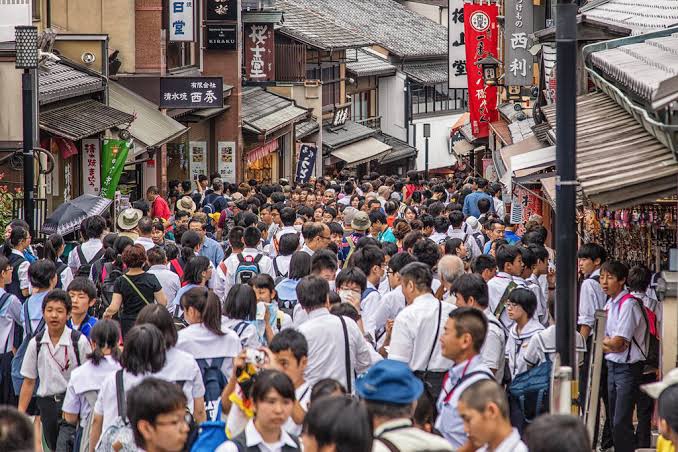
今の日本は、政治自体が中央省庁が中心になりたっていて、そしてそこから地方政治に流れている構造になっています。特に訪日外国人の観光は、日本の利益にもなりますし、地域の活性化にもなります。地域の活性化は素晴らしいことですが、それが個々の日本伝統文化を運営している職人さんに売ろうおっているかどうかは疑問。国や県は多くの訪日外国人を地域に誘致するが、逆に地域の職人さんを利用して、地域の誘致にだけ目を向けて、多くの職人さんにとってメリットがないのが現状です。お金はわずかしか入らず、国や県は税金を使ってそれをつぎ込んで、自分たちだけ還元し、職人さんたちはわずかな金銭しか入らず、訪日プロジェクトを実施している。職人さんたちは口を揃えて本業が妨げているというのは実態である。それを、私のところでサポートしていきたいと考えています。
In today’s Japan, politics itself is structured around the central government ministries and agencies, and from there it flows to local politics. In particular, tourism by foreign visitors to Japan benefits Japan and revitalizes local communities. While regional revitalization is a wonderful thing, it is questionable whether it is intended to sell to the artisans who run the individual Japanese traditional culture. The national and prefectural governments attract many foreign visitors to the region, but on the contrary, they take advantage of the local artisans and focus only on attracting them to the region, which is not beneficial to many artisans. Only little money comes in, and the national and prefectural governments spend it through taxes and give it back only to themselves, while the artisans receive only a small amount of money to implement their projects to visit Japan. The reality is that the craftspeople are not able to do their main work. That is what I would like to help and support their business.
 Innovative Experience Travel Japan